
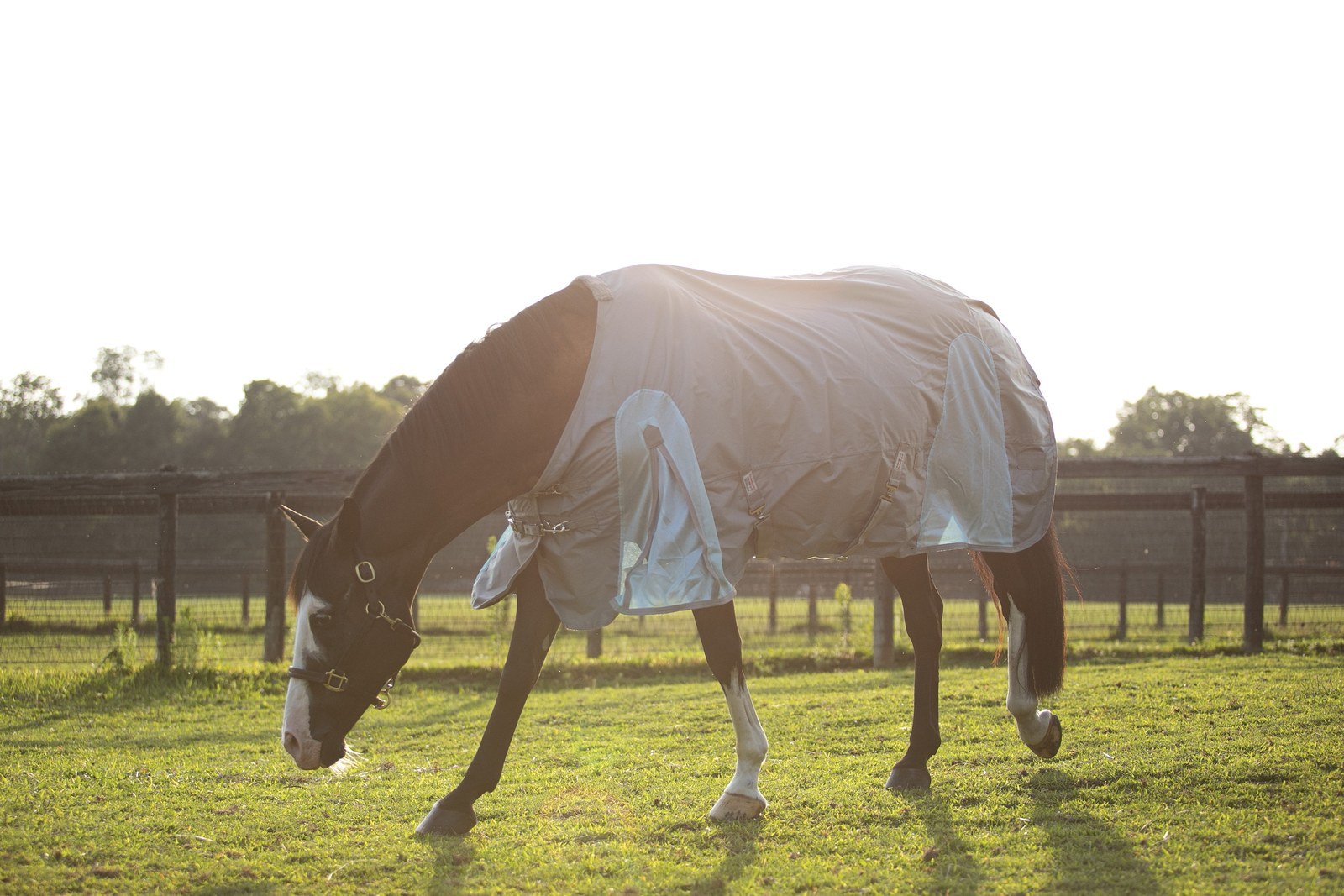
When do I switch from a fly sheet to a rain sheet?
Late August is the stretch where you need both in the aisle. Here's how to know which one your horse needs on any given day -- plus what to do about fly spray, masks, gnats, and putting summer gear away right.
By The Schneiders Product Team · Updated August 12, 2026
Family owned in Chagrin Falls, Ohio since 1948. We design our own blankets, sheets, and fly gear, and we turn horses out in it. We design our own blankets, sheets, and fly gear, and we turn horses out in it.
Switch when rain becomes a bigger problem than bugs. A fly sheet isn't waterproof, so in a real soaking it holds cold water against your horse. Once overnight lows sit in the 40s and 50s and the forecast turns wet, a waterproof rain or turnout sheet is the right tool. Most owners run both for a few weeks and choose by the day's forecast, not the calendar.
There's no single temperature where a fly sheet stops working and a rain sheet starts, because they do two different jobs. A fly sheet is a bug and sun barrier built to breathe. A rain sheet is a waterproof shell with no fill, built to keep a horse dry without making him warm. For a few weeks every fall you need both, and you pick by the forecast.
| Gear | What it does | When it's the right call |
|---|---|---|
| Fly sheet | Blocks bugs and UV, breathes, not waterproof | Bugs still active, dry days, any temperature |
| Rain / turnout sheet | Waterproof shell, no fill, adds almost no warmth | Wet weather roughly 45°F to 60°F |
| Lightweight turnout | Waterproof with light fill, adds real warmth | Consistently below about 45°F, or wet and windy |
The situation to avoid is a soaked fly sheet. Mesh holds water, sits heavy, and pulls heat off a horse for hours after the rain stops.
Do I even need a rain sheet, or can I go straight to a turnout blanket?
The mistake we hear about most is reaching for a filled turnout too early, because it's the only waterproof thing in the trunk. A horse who sweats under a blanket on a 58-degree afternoon and then stands in it overnight is worse off than one who got a little wet. Sweat under a blanket is harder on a horse than rain on his back.
If you're buying one thing this fall and your horse lives out somewhere wet, the rain sheet is usually the better first purchase -- it covers a wider band of weather than a lightweight does. A StormShield Contour Collar Classic II is our most popular for exactly this stretch, and the bellyband version is worth a look if your horse is hard on straps.


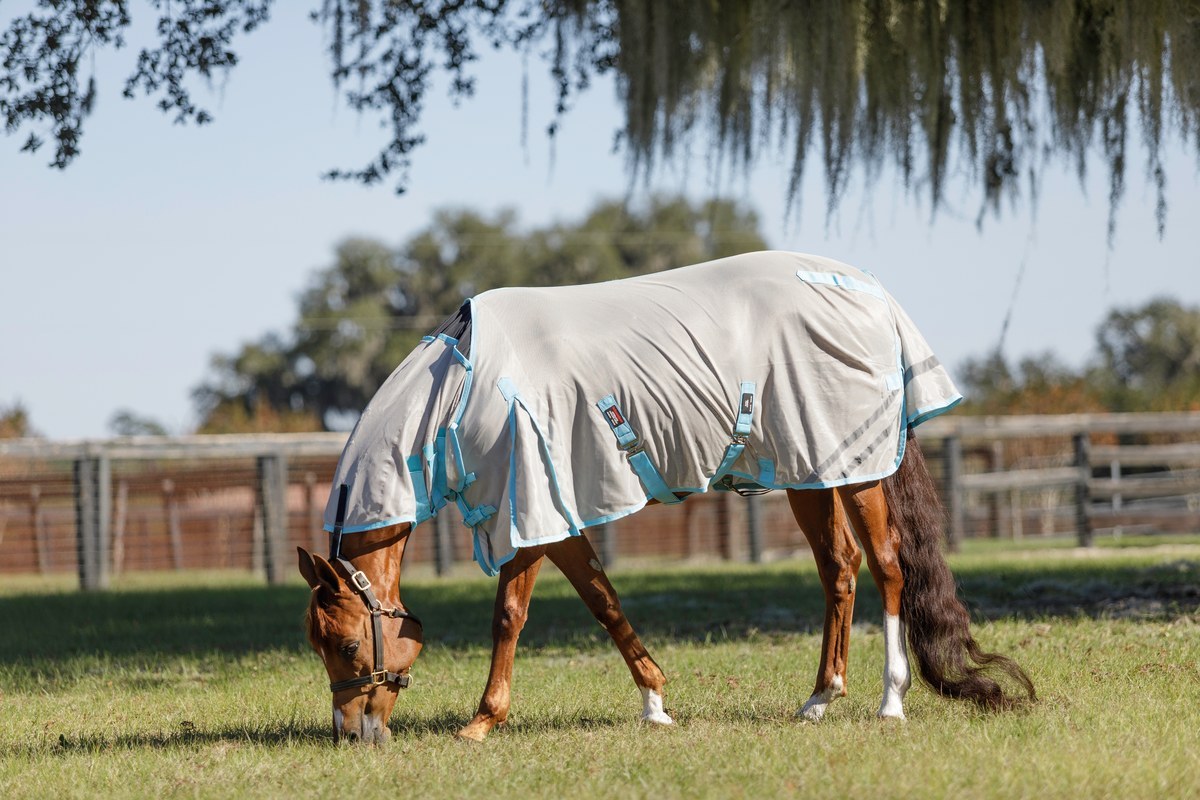
Do people quit fly spray at the first cool morning, or ride it out through September?
One cool morning means nothing. A week of cool nights plus shorter days means a lot. If you're still swatting them off at feeding time, they're still bothering your horse in turnout.
Late season is also when a sweat-resistant formula stops mattering as much and coverage starts mattering more -- you're spraying less often, so you want it to stay put. Pyranha Wipe N' Spray is our best seller year after year, and Fly Bye! Plus is the value pick for daily use.


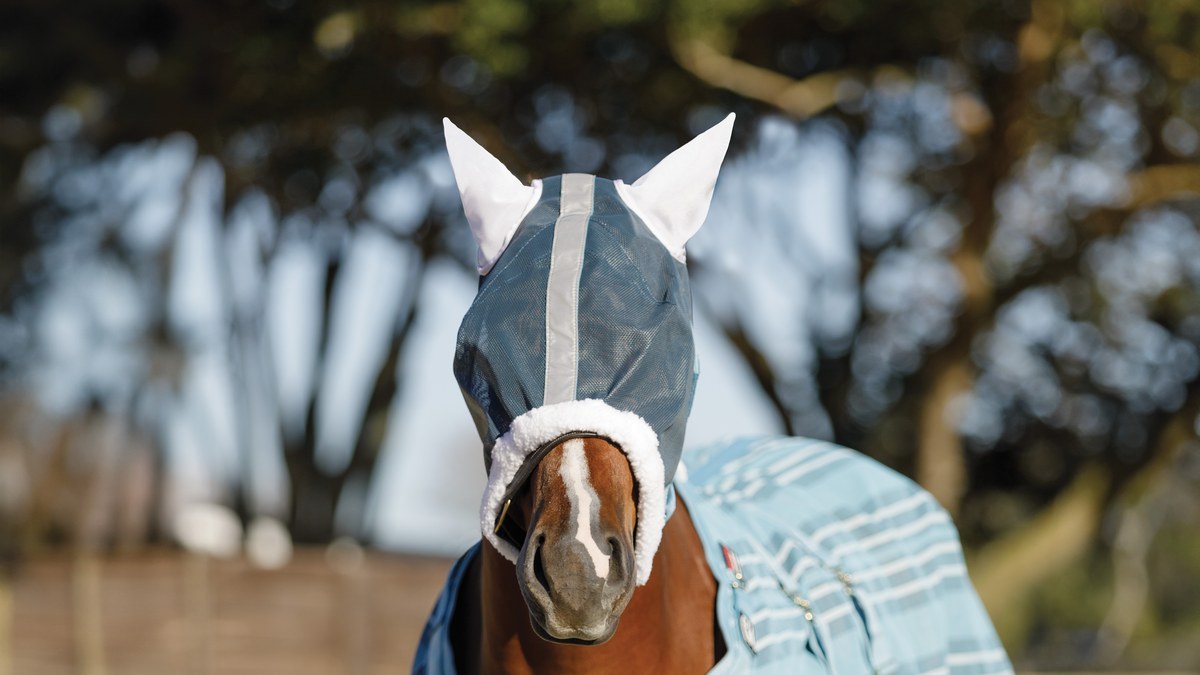
When do I stop using a fly mask if flies are still around but nights are cool?
Fall sun sits lower and hits differently than midsummer sun, and horses with pink noses can still burn in October. That's a separate reason to keep a mask in rotation after the bugs are done.
If your horse is rough on masks, the UltraFlex Comfort Plus with the forelock saver holds up well, and the Ripstop Nylon Mesh II with ears is the one we sell the most of.


Gnats and no-see-ums are worse than the flies now. Different spray, or the same one?
A fly sheet with real belly coverage and a mask with ears will do more against midges than reapplying spray three times a day. Bellyband styles like the Mosquito Mesh II VTEK Adjusta-Fit are built for exactly this, and the tighter Mosquito Mesh weave is the one to look at when the bugs are small.
If your horse is rubbing his mane or tail raw, or the reaction looks more like a skin problem than ordinary irritation, that's worth a conversation with your vet rather than another product.


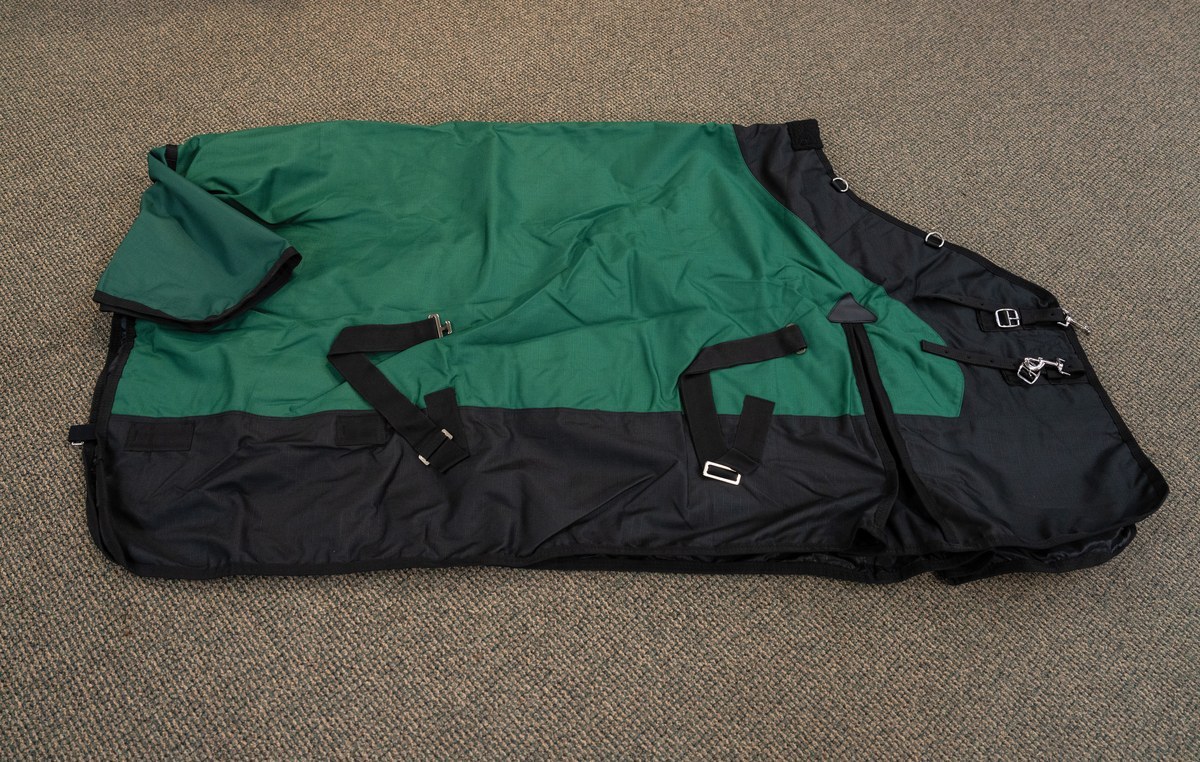
Do fly sheets really need detergent before storage, or is a rinse enough?
Salt is the real culprit. It stays in the fabric after the dirt rinses out, holds moisture, and slowly degrades the fibers. It's also what makes a stored sheet come out of the trunk next May smelling like a stored sheet. Schneiders Horse Blanket Wash is made for this and won't strip a finish the way household detergent does.
While everything is out and clean, this is the moment to deal with the rest of it. Small tears get repair tape before they become big ones, and anything waterproof that's been wetting through gets reproofed now rather than in November. Finding a broken strap in August beats finding it the first cold night.


Both sheets in the aisle, one decision each morning
For the next few weeks you want the fly sheet, the rain sheet, and a mask all within reach. Here's everything in one place.
Turnout & Rain Sheets Fly Sheets Fly Masks Blanket CareStill not sure what your horse needs? Our team turns horses out in this gear in Ohio weather. Tell us your setup and we'll help you sort it out -- ask our team.