
How much hay per horse per day should I plan for?
The arithmetic for planning a winter's hay, how to judge a load before you commit, and what people actually do in the in-between stretch when pasture is fading but it isn't winter yet.
Schneiders Learning Center · Updated August 12, 2026
Family owned in Chagrin Falls, Ohio since 1948.
Plan on roughly 1.5% to 2% of body weight per day in forage. For a 1,000 lb horse with no grazing, that's about 15 to 20 lbs of hay a day, or a little under half a small square bale. Hard keepers, seniors, and horses living out in cold weather run at the higher end.
Hay planning is one of the few genuinely arithmetic problems in horse keeping, which makes it easier than it feels. Get the daily number, multiply by the days, add a margin, and you have your answer before the price goes up in January.
How much hay do I really need per horse to get to March without a scramble?
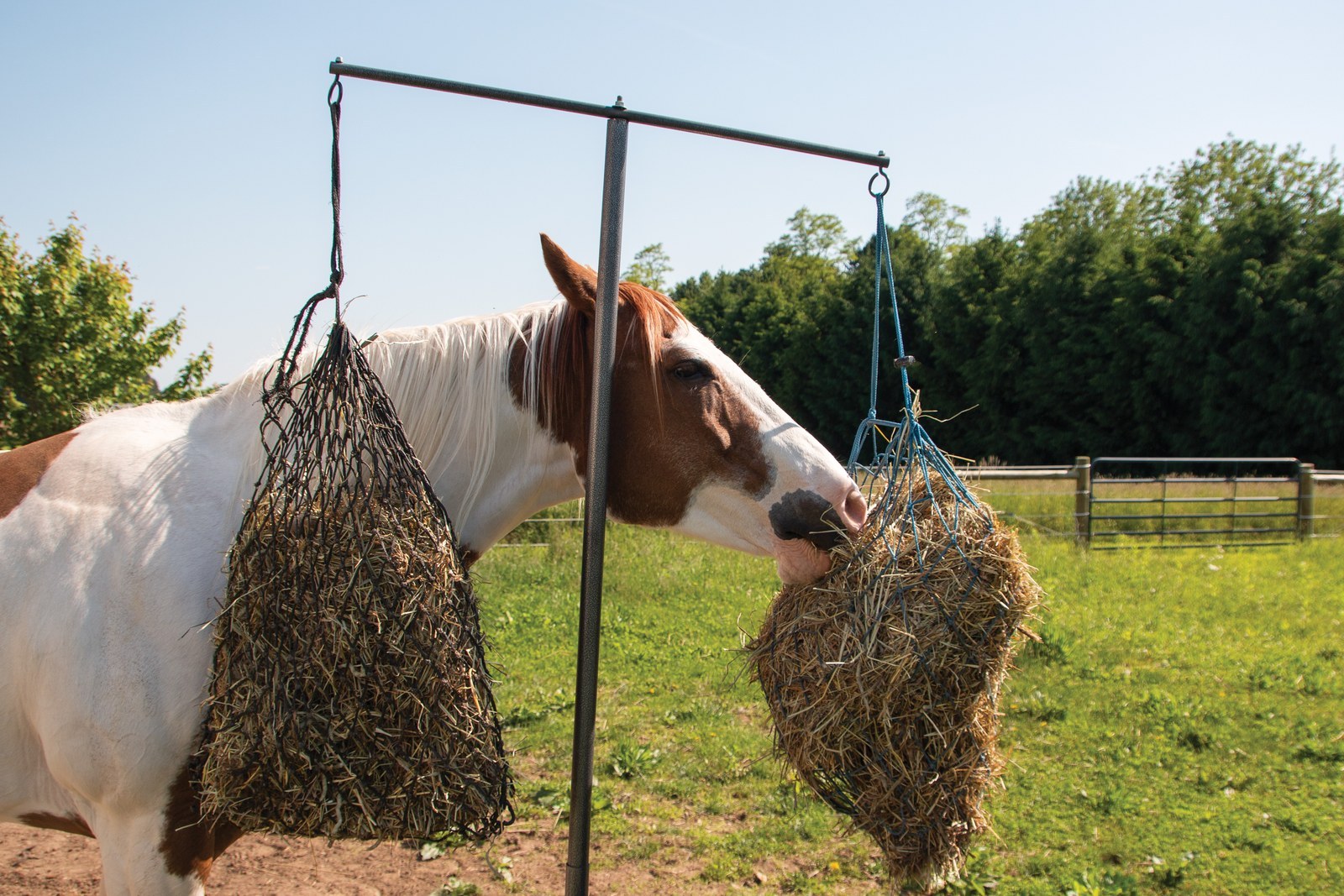
Two things blow the estimate. The first is waste -- hay fed on the ground in a muddy paddock can lose a quarter of the bale. A slow feed net cuts that substantially and makes the same load go further.
The second is the tail of the season. People buy for a winter that ends in March and then feed through a cold, bare April. Buy for longer than you think.


How can I tell if this year's hay is actually good before I commit to a load?
Smell is the fastest signal and the most reliable. Musty means it was baled damp, and damp hay grows mould you can't always see.
Ask to open a bale from the middle of the stack rather than the one on top, and ask when it was cut and whether it got rained on. A seller who won't let you open a bale is telling you something.
If you're buying a large load or feeding horses with respiratory or metabolic issues, a forage analysis is worth the modest cost, and your vet can help you read it.
Pasture is starting to disappear but we're not on full winter hay yet. How do people handle the in-between?
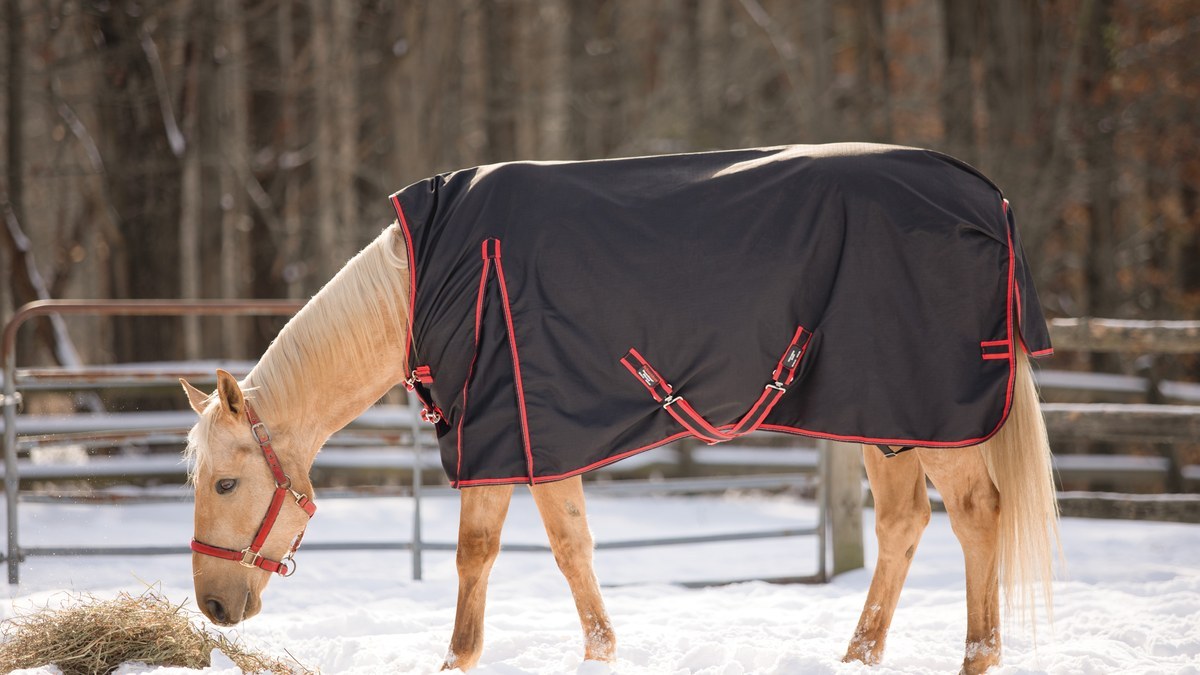
Watch the horses rather than the calendar. Horses grazing constantly without gaining, or starting to drop condition, are telling you the pasture has stopped paying its way.
Autumn pasture also has its own risk: cool nights followed by sunny days can raise sugar levels in grass, which matters a great deal for laminitis-prone horses. If you have one, this is a conversation to have with your vet before the season turns, not after.
Any significant change in forage is worth making over a week or two rather than overnight.
Waste is the cheapest hay you'll ever buy back
Nets, feeders, and dry storage do more for your hay budget than shopping around on price does.
Hay NetsHay FeedersHay StorageHay BagsSetting up hay storage or feeding for the winter? Ask our team -- and talk to your vet about any feed change for a senior or a horse with a health condition.